Product · Field Trial
DexCapture v1 enters field trials
Our wearable multimodal capture rig moves from the lab into pilot warehouses, kitchens, and assembly lines.
TL;DR
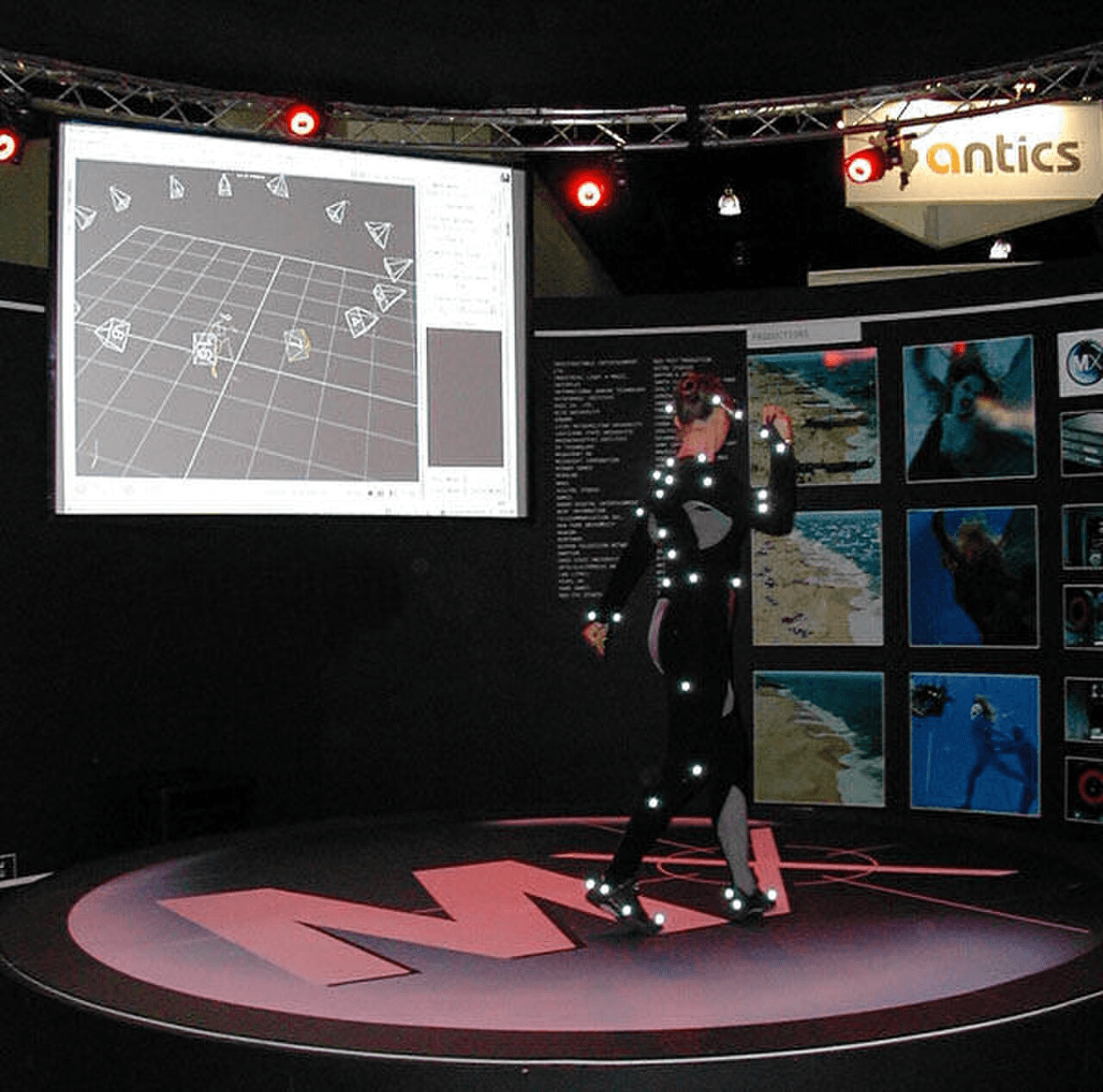
- DexCapture v1 is a head-and-chest worn rig that records video, depth, IMU, audio, and pose in everyday environments.
- The trial cohort is running multi-hour sessions across logistics, food prep, and light assembly to stress-test long-tail conditions.
- Recordings stream into DexProcess for time alignment, scene reconstruction, and quality scoring before reaching customer datasets.
Why we are leaving the lab now
Real-world motion data is the missing layer for embodied AI. Curated lab footage trains models that look brilliant on familiar tasks and fragile in the wild. We started DexCapture because the only way to get the long tail is to capture it in situ — with operators who do the work day after day, in the environments models will actually deploy to.
Field trials let us validate three things at once: that the hardware is comfortable for full shifts, that the sensor stack stays calibrated through real motion, and that the resulting data clears DexProcess quality gates without manual cleanup. None of that survives a clean conference room.
What is in the v1 rig
DexCapture v1 ships as a head module with overlapping cameras and a chest module that hosts depth, IMU, and audio. Both modules share a common time base so downstream alignment is deterministic instead of best-effort.
The rig is paired with an operator app that handles session setup, on-rig review, and consent capture. Recordings buffer locally and replicate to cloud object storage with delta-resumable uploads, so a dropped network does not lose a half-hour of work.
- Head module with overlapping RGB cameras and ego-motion tracking
- Chest module with depth, IMU, and on-body audio
- Shared time base across all sensors with sub-frame alignment
- Edge buffering with delta-resumable upload over 5G or Wi-Fi
- Privacy modes for bystander blurring and configurable retention
What the trials are telling us
Early sessions are weeks long, not hours. The repeating loops we hoped to find are showing up — the first hour is novel, the second hour is procedural, and by the third hour operators stop performing for the rig and just work. That third-hour data is what we believe Embodied AI models will benefit from most.
We are also learning where the rig still gets in the way: glare in cold-storage rooms, occasional drift in narrow aisles, and operator preferences for how the chest module sits during heavy lifting. Each of these turns into a v1.1 fix list rather than a marketing claim.
“The third-hour data is what models actually need. Everything before that is performance.”
What this means for you
Bring DexCapture to your environment
We are accepting a limited number of additional pilot sites for the v1 trial cohort. Best fits are teams already collecting low-fidelity demonstrations and looking to scale into multi-modal, long-session capture without standing up the hardware stack themselves.
See DexCapture